Prices
  Request a call back
  Moving Guides
  Free quote
 Common problems with narrow staircases in Lambeth moving jobs
Posted on 10/06/2026
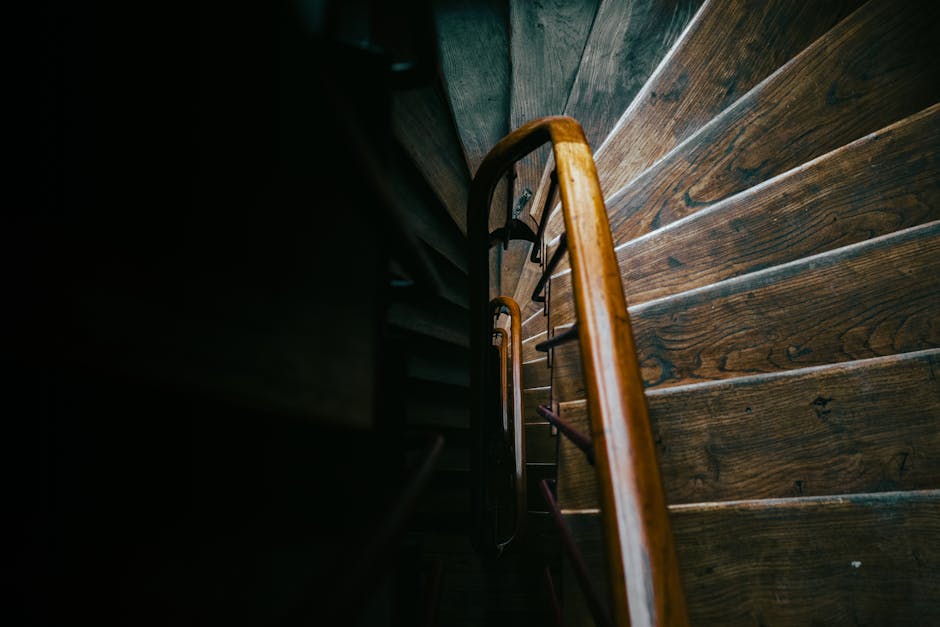
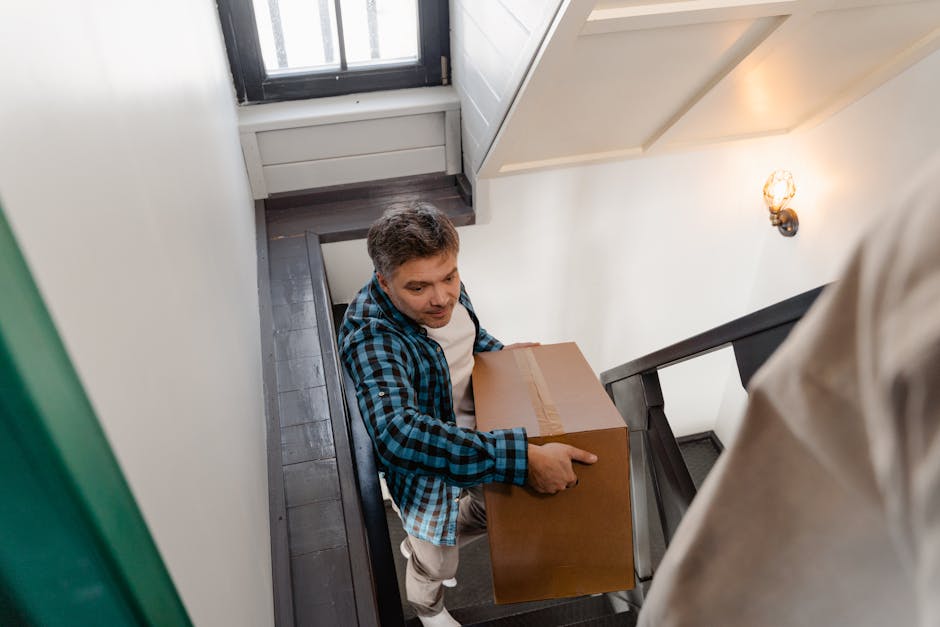
Moving day in Lambeth can feel straightforward on paper, then suddenly the staircase gives you the real story. Narrow turns, steep steps, awkward landings, old banisters, and a sofa that looked perfectly normal in the lounge can all turn into a proper headache. That is why understanding the common problems with narrow staircases in Lambeth moving jobs matters before anyone starts lifting. In many flats and period homes, the route in and out is often the hardest part of the whole move, not the van outside.
This guide breaks down the risks, the planning that actually helps, and the small decisions that make a big difference. If you are moving home, flat, or office space in the area, a bit of staircase know-how can save time, protect your furniture, and stop a tidy move becoming a messy one. Let's face it, nobody wants to wedge a wardrobe halfway up a stairwell at 8:15 in the morning.
Why Common problems with narrow staircases in Lambeth moving jobs Matters
Narrow staircases are more than an inconvenience. In Lambeth, they often shape the whole moving plan. Many homes across the borough include converted flats, older terraces, maisonette layouts, mansion blocks, and compact stairwells that were never designed for modern bulky furniture. Even a short move from one floor to another can become slow and risky if the stairs are tight, steep, or difficult to turn on.
The practical issue is simple: stairs dictate what can be moved safely by hand and what needs dismantling, specialist handling, or an alternative route. A move that looks cheap at the quote stage can become more expensive if the team has to spend extra time manoeuvring large items. It can also create tension with neighbours if landings are blocked or noise goes on longer than expected.
That matters for households, landlords, tenants, and small businesses alike. A family moving out of a top-floor flat near busy streets in Lambeth has different access pressures from an office on the first floor, but the core problem is the same: if the staircase is too tight, the move slows down. That is where planning pays for itself.
For people doing flat removals in Lambeth or booking help through removal services in Lambeth, the staircase should be checked early, not guessed at later. A five-minute look can prevent a five-hour frustration. Maybe more, if the item is a sofa with a mind of its own.
How Common problems with narrow staircases in Lambeth moving jobs Works
When movers assess a narrow staircase, they are really checking three things: width, height, and movement. Width is obvious enough. But height matters too, because steep stairs create awkward lifting angles, especially with long items like wardrobes, mattresses, or desks. Movement refers to how much room there is to pivot at the bottom, at the turning point, and at the top landing.
Here is what usually creates difficulty:
- Tight corners and landings that stop furniture from turning cleanly.
- Low ceilings or light fittings that reduce safe carrying space.
- Old banisters or railings that may need protection to avoid scuffs.
- Soft or uneven steps that make carrying heavier loads unstable.
- Shared hallways where other residents still need access.
A practical move team will often test the route before anything is carried. They will look for possible pinch points, decide whether items need to be taken apart, and choose the safest lifting order. In many Lambeth properties, that route planning is the difference between a calm move and one that involves a lot of awkward muttering on the stairs. You know the kind.
Sometimes the answer is not to force a large item through at all. A bulky sofa may be carried in sections, a bed frame might be dismantled, and a washing machine may need extra protection and a slower descent. If the route is particularly restricted, a team may combine stair carrying with a removal van in Lambeth and carefully staged loading outside the property.
In more complex jobs, especially where the property sits on a busy road or near tighter residential access, people often benefit from planning around local conditions as well as the staircase itself. Articles such as moving services for tight access near Vauxhall Station and the local furniture removals guide for Kennington and Lambeth Palace reflect the same real-life issue: access shapes everything.
Key Benefits and Practical Advantages
It may sound odd to talk about benefits when the topic is basically a staircase problem, but proper planning really does create advantages. The biggest one is control. If you know the route is tight, you can make decisions before moving day rather than reacting in the doorway with a mattress halfway out and no easy way back in.
There is also the matter of protecting belongings. Narrow stairs are notorious for catching table corners, scraping wardrobes, and bending fragile parts of furniture. Good planning reduces the chance of dents, chipped paint, or torn upholstery. That matters even more if you are moving items with sentimental or financial value.
Other practical advantages include:
- Less delay because the crew knows what can and cannot go upstairs.
- Lower risk of injury from overreaching, twisting, or rushing on stairs.
- Better neighbour relations because the move is quicker and tidier.
- Clearer pricing when access difficulties are assessed honestly.
- Fewer last-minute surprises if items need dismantling or special handling.
For many customers, the real benefit is peace of mind. A staircase with a narrow turn can feel intimidating, especially if you are trying to protect freshly painted walls or avoid marks in a rental property. Planning ahead keeps the stress down. Not glamorous, but very effective.
If your move involves a piano, antique piece, or unusually heavy furniture, the advantage of proper access planning becomes even clearer. That is where specialist support such as piano removals in Lambeth or furniture removals in Lambeth can be especially valuable.
Who This Is For and When It Makes Sense
This advice is useful for anyone moving in Lambeth, but it is especially relevant if your property has one of the usual tricky access setups: a top-floor flat, a converted townhouse, a split-level maisonette, or an older building where the staircase is just a bit too narrow for comfort. You will also want this if you are moving bulky items, office furniture, or anything that cannot simply be carried in one easy lift.
It makes sense to pay attention to staircase access when:
- you live in a flat with a tight internal stairwell;
- you are moving furniture that has already felt a bit too big in the room;
- the property has a sharp turn, low ceiling, or awkward first landing;
- you are under time pressure and cannot afford repeated attempts;
- the move involves shared access with other residents or commercial neighbours.
Students moving in and out of compact accommodation often run into this too. So do office teams shifting desks, filing cabinets, and chairs through stairwells that were clearly designed for smaller loads. If the job is simple on paper but awkward in reality, a service like student removals in Lambeth or office removals in Lambeth may be more relevant than people first think.
To be fair, even a "small" move can get tricky if the stairs are awkward enough. A single heavy wardrobe can cause more trouble than three boxes, and sometimes that's the whole story.
Step-by-Step Guidance
If you are dealing with narrow stairs, a sensible process helps far more than guesswork. Here is a practical sequence that works well in real Lambeth moves.
- Measure the staircase and key furniture pieces. Check stair width, turning points, ceiling clearance, and the longest item you need to move. Measure both the item and the route.
- Identify pinch points. Look for radiators, handrails, door frames, light fittings, and tight corners. These are the places where delays usually happen.
- Decide what should be dismantled. Beds, tables, modular sofas, and some wardrobes are often easier to move in parts.
- Protect the property. Cover banisters, corners, and floors if needed. A bit of protection can save a lot of awkward repair work.
- Choose the move order. Heavy items first or last? That depends on the route, but the plan should be fixed before lifting begins.
- Use the right team size. Too few people means more strain and slower movement. Too many can make a tight staircase harder to manage. Balance matters.
- Keep the landing clear. A narrow staircase becomes even narrower when boxes are left in the way. Simple, but often overlooked.
- Review the final route before moving the next item. If one piece required a different angle or technique, take that lesson into the next lift.
If you're arranging a full household move, a broader plan from home removals in Lambeth or a more flexible option such as man with a van in Lambeth can help match the service to the access conditions. Sometimes a smaller vehicle and a smarter route are the better choice. Not always, but often enough to matter.
Expert Tips for Better Results
Here is where experience really helps. In our experience, the best staircase moves are the ones that feel almost boring. No drama. No last-minute improvisation. Just good prep and steady communication.
First tip: do not assume a wide-looking room means an easy route. Furniture that fits fine in the lounge can still fail on the staircase because it needs a pivot that the building simply does not offer.
Second tip: remove anything loose before moving bulky items. Table legs, drawers, mirrors, cushions, and detachable shelves can all catch on stair edges. A small part can create a big problem, annoyingly.
Third tip: keep the path calm and uncluttered. Shoes in the hallway, recycling bags, and random parcels all become obstacles when movers are working fast. Even a clean stairwell can feel cramped if there is nowhere to set down safely.
Fourth tip: communicate the risky items early. If there is a piano, a large bookcase, or a heavy dresser, say so before the moving team arrives. That gives everyone time to bring the right equipment and think through the lift properly.
Fifth tip: if the staircase is especially tight, protect the property before you protect speed. A few extra minutes spent covering surfaces is almost always worth it. Almost always.
For customers who want a wider view of service choices and planning, the services overview and removal companies in Lambeth pages can help set expectations before booking. The aim is not just to move stuff. It is to move it safely and with fewer surprises.
Common Mistakes to Avoid
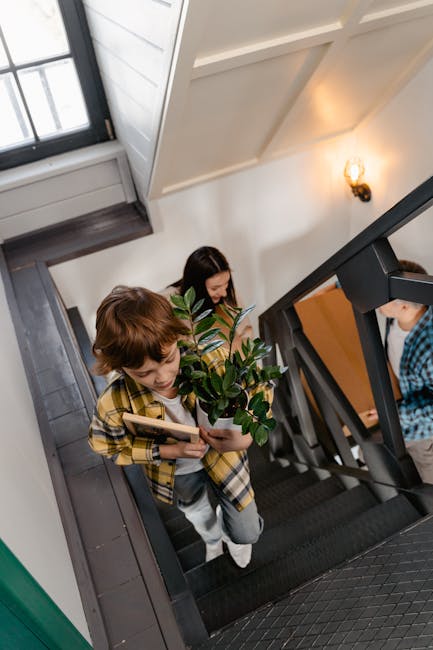
The most common mistake is underestimating the staircase. People often focus on the van, parking, or how many boxes they have, but overlook the one place where the whole job can slow down. That is usually the stairwell. Quietly, stubbornly, the stairwell.
- Guessing measurements. Eyeballing a sofa against a staircase is not enough if the turns are tight.
- Leaving dismantling too late. Doing it on the landing eats time and creates clutter.
- Forgetting about neighbours. Shared hallways and thin walls can make a long move feel even longer.
- Using too much force. When people push instead of repositioning, damage risk rises quickly.
- Ignoring fragile surfaces. Fresh paint, polished wood, and glass need more care than they usually get.
- Packing boxes too heavily. One box full of books can be the worst thing on the stairs. No joke.
Another mistake is assuming that a difficult staircase automatically means the move is impossible. That is rarely true. More often, it just means the process needs to be more deliberate. Maybe a different lifting angle is enough. Maybe an item needs to be taken apart. Maybe a second carry route is better. It is rarely about brute strength alone.
Tools, Resources and Recommendations
You do not need a warehouse full of equipment to deal with tight stairs, but a few practical items can make the job much safer and smoother.
- Measuring tape for checking stair width, item dimensions, and turning space.
- Furniture blankets and wraps to reduce scuffs and surface damage.
- Straps and grips for handling heavy items more securely.
- Door and corner protection where walls or frames are likely to be clipped.
- Clear labels so the team knows which items are fragile, heavy, or dismantled.
- Good lighting in stairwells, especially in older properties where hallways can be dim.
For many households, the most useful resource is not a tool at all. It is a proper pre-move assessment. If a team knows the access route in advance, they can plan labour, packing, and vehicle choice more accurately. That is where packing and boxes in Lambeth can also make a difference, because well-packed boxes are easier to stack, carry, and rest safely on a landing.
If timing is tight, same-day or short-notice arrangements can sometimes help, but only if the access route is understood first. You do not want to discover a staircase problem after the clock has started. That is a bad kind of surprise.
Law, Compliance, Standards, or Best Practice
There is no special "narrow staircase law" for Lambeth moves, but there are important best-practice duties that should always be taken seriously. Moving teams should work in line with general health and safety expectations, use sensible manual handling techniques, and avoid putting people or property at unnecessary risk. In plain English: no rushing, no unsafe lifting, no pretending a problem does not exist.
In shared buildings, it is also good practice to consider access for other residents. Keep communal areas clear where possible, minimise blockages, and avoid leaving items on stair landings. If a property manager has access instructions, those should be followed carefully. Same goes for parking, building rules, and any loading arrangements that apply on the day.
It is also wise to check insurance and responsibility before the move. Damage can happen even when everyone is careful. Understanding the moving company's approach to protection, handling, and claims is part of sensible planning. If you want more detail on that side of things, the pages on insurance and safety and health and safety policy are useful reference points.
On a practical level, if an item clearly will not fit safely, the right answer is usually to stop and rethink rather than force it through. That is good professional judgement. It protects people, protects property, and keeps the day moving. Simple enough, but it saves a lot of grief.
Options, Methods, or Comparison Table
Different access problems call for different solutions. Here is a straightforward comparison of common approaches.
| Method | Best for | Strengths | Limitations |
|---|---|---|---|
| Carry items as-is | Smaller furniture, light boxes, straightforward staircases | Fast, simple, minimal preparation | Not suitable for bulky or awkward items |
| Dismantle and reassemble | Wardrobes, bed frames, large tables, modular furniture | Makes tight routes more manageable | Needs time, tools, and good organisation |
| Use a smaller moving vehicle | Compact moves or properties with restricted access | Easier parking and faster loading near the property | May require more trips or careful load planning |
| Specialist handling for heavy items | Pianos, safes, large appliances, antiques | Better protection for valuable or delicate items | Requires experience and often more planning |
For some moves, a compact approach works best. For others, especially if the staircase is only one part of a bigger access puzzle, a fully planned service is the safer route. If you are comparing options, man and van in Lambeth can suit smaller jobs, while removals in Lambeth may be better for fuller household or mixed-item moves.
Case Study or Real-World Example
A typical example: a couple moving out of a first-floor flat in Lambeth with a staircase that narrows sharply at the turn. The sofa looked fine in the living room. On the stairs, though, the armrest caught on the wall on the first attempt. Rather than forcing it, the movers paused, measured the turn again, and removed the feet and cushions. The second attempt worked, but only because the team slowed down at the right moment.
Another job involved a heavy chest of drawers in a period conversion. The route to the flat was short, but the stairwell was steep, the lighting was poor, and the banister gave almost no extra room. The crew wrapped the corners, used two carriers, and took the drawers out before lifting. That small decision avoided both scuffed woodwork and a very annoyed resident in the hallway below.
In both cases, the lesson was the same: narrow stairs do not just demand strength. They demand judgement. And, occasionally, a bit of patience while everyone catches their breath. Which, to be fair, is not a bad thing.
Practical Checklist
Use this quick checklist before moving day if your property has a narrow staircase.
- Measure the staircase width and the tightest turn.
- Measure large furniture pieces in full, including feet and handles.
- Identify anything that can be dismantled ahead of time.
- Clear hallways, landings, and shared entrances.
- Protect walls, banisters, and corners where needed.
- Confirm whether parking and van access are straightforward.
- Tell the moving team about fragile, heavy, or awkward items early.
- Pack boxes evenly so they are stable and not overfilled.
- Keep essentials separate so you are not hunting for them later.
- Double-check timing, keys, and any building access instructions.
Expert summary: if the staircase is tight, success comes from planning the route, reducing item size where possible, and treating the building with care. That combination prevents most of the usual headaches, even in older Lambeth properties with less-than-generous stairs.
For broader help with booking, budgeting, or choosing a moving setup that fits the property, you may also want to review pricing and quotes, about us, and movers in Lambeth. Those pages can help you get a feel for the service before the heavy lifting starts.
Conclusion
Narrow staircases are one of the most common reasons a Lambeth move becomes more complicated than expected. They affect speed, safety, furniture protection, and even how neighbours experience the day. But with accurate measurements, sensible packing, the right level of help, and a calm approach, most staircase problems can be managed well.
The real trick is not to treat the stairs as an afterthought. Treat them as part of the move plan from the very beginning. That one shift in mindset can save a lot of time and stress, and it usually makes the whole process feel more controlled. A little boring, perhaps. But good boring is underrated.
If you are preparing a move and want to avoid the usual staircase headaches, getting tailored advice early is the smartest next step. Get a free quote today and see how much you can save.
And once the last box is safely through the stairwell, there is always that quiet, satisfying moment when the whole place finally breathes again.