Prices
  Request a call back
  Moving Guides
  Free quote
 Lambeth Council permit rules for street parking during removals
Posted on 06/07/2026
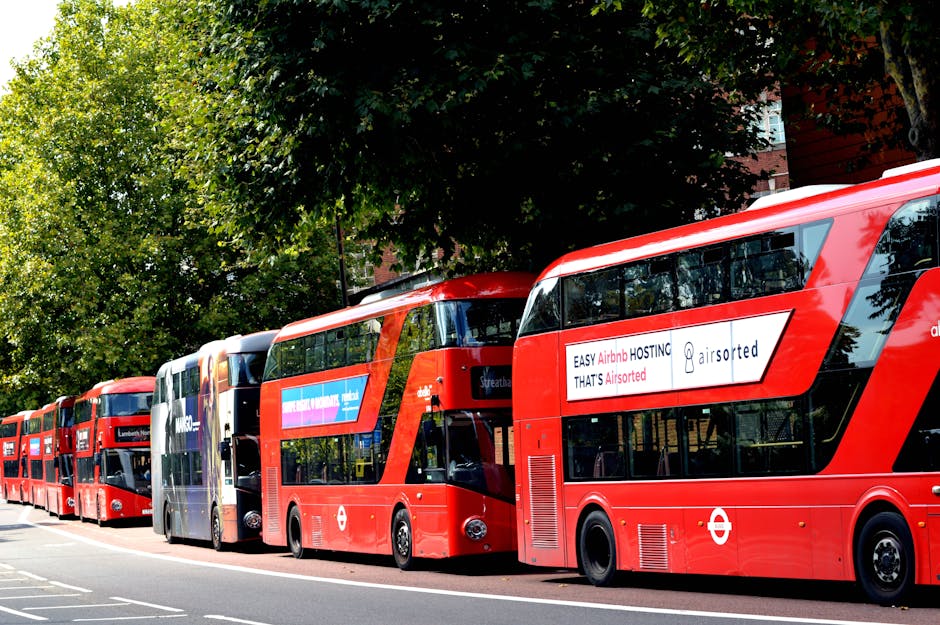
Trying to park a removal van on a Lambeth street can feel a bit like solving a puzzle while the clock is ticking. One minute you're loading boxes, the next you're wondering whether that bay is suspended, whether a permit is needed, and whether a neighbour's bin day has quietly ruined the whole plan. If you're moving home, flat, or office in the borough, understanding Lambeth Council permit rules for street parking during removals is one of the easiest ways to avoid stress, delays, and avoidable costs.
This guide explains how street parking typically works during a move, what to check before the van arrives, where people go wrong, and how to keep the day moving without last-minute drama. It's written for real-life moves in Lambeth - the kind where access is tight, streets are busy, and nobody wants a ticket before the kettle's even unpacked.
Why Lambeth Council permit rules for street parking during removals matters
Street parking is one of the small details that can have a surprisingly big impact on a move. In Lambeth, that matters even more because many streets are narrow, heavily parked, and shared with residents, delivery drivers, and local traffic all trying to get through at the same time. If the removal van can't stop close enough to the property, the crew may need extra time. Extra time can mean extra cost. Sometimes it also means extra lifting. And nobody enjoys carrying a wardrobe two streets down in the rain, let's face it.
The permit rules matter because they help you use the street space lawfully and predictably. That usually reduces the risk of parking enforcement action, helps the moving team work safely, and keeps your neighbours from feeling blindsided by a huge van sitting half across the kerb. It's not just a compliance issue; it's a logistics issue.
For anyone organising a move in the borough, especially in areas with controlled parking zones or tricky access, knowing the parking requirements early can save the kind of headache that only appears on moving day. If you're also planning the rest of the process, you may find our wider removal services in Lambeth useful, particularly if your move involves furniture, packed boxes, or a tight schedule.
Expert summary: if your van needs to stop on-street, don't treat parking as an afterthought. In Lambeth, it is part of the move plan, not a side note.
How Lambeth Council permit rules for street parking during removals works
The exact setup can vary depending on the street, time of day, local restrictions, and whether the vehicle is loading only or needs to stay parked for a longer period. In practical terms, the process usually comes down to three questions: can the vehicle stop there, how long can it stay, and is any suspension or permission needed to support the move?
Here's the simple version. A removal vehicle may be able to use ordinary loading or unloading allowances in some places, but controlled parking bays, permit-holder bays, yellow lines, or suspended bays can all change the picture. In some situations, you may need to arrange a temporary suspension or authorisation in advance. In others, the timing of the move and the nature of the bay may make short loading possible without anything more formal. But this is exactly where people trip up - they assume all parking works the same from one street to the next. It doesn't.
That means you need to check the street itself, not just the postcode. A quiet residential road in one part of Lambeth can have completely different restrictions from the next road over. And if you're moving near busy routes, stations, markets, or school streets, the pressure on kerb space can be intense, especially on weekday mornings.
If you're using a small vehicle or a simpler loading setup, a page like man with a van in Lambeth can be helpful context for how compact moves are often planned. Bigger household moves, though, usually need more careful parking planning.
Key benefits and practical advantages
Getting the parking side right isn't glamorous, but the payoff is real. A move that starts with a legal, well-positioned vehicle tends to feel calmer from the first lift onward.
- Less delay on the day: the van can park closer to the entrance, so loading is quicker and less chaotic.
- Lower risk of enforcement issues: you reduce the chance of getting caught out by parking restrictions or a bay that changes by time.
- Better handling of bulky items: sofas, wardrobes, white goods and pianos are much easier to move when the vehicle is close.
- Reduced physical strain: fewer long carries mean less fatigue for everyone.
- More predictable cost: less time wasted usually means less scope for a move to overrun.
There's also a less obvious advantage: smoother coordination with neighbours and building managers. If the van is expected, positioned correctly, and not blocking access for ages, people are usually far more tolerant. That can make a huge difference in dense Lambeth streets where patience can be thin by 8:30 in the morning.
For complex moves, especially those involving awkward stairs or heavy items, it can help to review related guidance such as common problems with narrow staircases in Lambeth moving jobs. Parking and access issues often go hand in hand.
Who this is for and when it makes sense
These parking rules are relevant to a wide range of movers, not just large family house moves.
- Home movers: if you're shifting from a terraced house, maisonette, or apartment block, street space often becomes the bottleneck.
- Flat movers: many Lambeth flats sit on roads with parking controls or limited stopping space.
- Office movers: business moves often need early starts, loading coordination, and quick vehicle access.
- Students and renters: even a small load can require a van that needs to stop in a controlled bay for a short period.
- People booking same-day help: last-minute removals can be perfectly doable, but parking needs to be checked fast.
It also makes sense whenever access is tricky. Think basement flats, top-floor conversions, narrow streets near stations, or roads where every space disappears after school drop-off. Those are exactly the situations where a proper parking plan pays off.
If you're unsure which service best fits your move, our services overview gives a broad picture of the options. And if you're moving out of a smaller property, flat removals in Lambeth may be closer to what you need than a full-scale house move package.
Step-by-step guidance
Here's the practical bit. If you only remember one thing from this article, make it this: deal with parking before the boxes are stacked by the door.
- Identify the exact loading point. Stand outside the property and think about where the van would actually stop. Not where it would be nice to stop. Where it can physically fit.
- Check the street restrictions. Look for permit-only bays, loading bays, single yellow lines, double yellow lines, timed restrictions, and any sign that suggests a suspension or exemption may be needed.
- Match the timing to the street rules. A space that works at 7:00 a.m. may be unusable by 8:30 a.m. Timing can change everything.
- Plan for the vehicle size. A small van and a large Luton-style vehicle do not face the same access issues. The turning circle, parking length, and loading access all matter.
- Build in a buffer. If anything in London moves slowly - traffic, bins, a neighbour reversing out, a delivery arriving - it's on moving day. Leave slack.
- Tell the moving team about anything unusual. Low trees, tight corners, a steep slope, resident-only bays, or an awkward courtyard entrance all help the crew plan.
- Keep proof and notes together. Save confirmation details, parking instructions, and contact names in one place so nobody is hunting through email while the van idles outside.
That may sound basic, but basic is often what saves the day. A move rarely fails because of one dramatic problem. It usually goes sideways because three little things were not checked early enough.
Expert tips for better results
After plenty of local moves, a few habits consistently make the parking side easier.
- Check the street at the same time of day as the move. A road can feel spacious on a Sunday and impossible on a Tuesday morning.
- Assume someone else will need to use the road. Residents, deliveries, taxis, school traffic - build your plan around real London life, not an ideal version of it.
- Use a spotter if the road is tight. One person guiding the driver can prevent slow, stressful manoeuvres.
- Keep items staged near the exit. If the vehicle is only available for a short window, having boxes and furniture ready matters a lot.
- Protect the loading path. Doorways, steps, and kerbs get battered during rushed moves. Good protection saves time and damage.
One small but useful trick: if you're moving from a busy Lambeth street, ask yourself whether the van really needs to stay parked the whole time or whether a tighter loading cycle would work better. Sometimes the best move is a very efficient one, not the biggest one. Funny how that works.
For larger or more specialised moves, services such as furniture removals in Lambeth or piano removals in Lambeth can be useful because they usually demand more deliberate parking and handling planning.
Common mistakes to avoid
The biggest errors are rarely complicated. They're usually the sort that happen because everybody's focused on packing tape, keys, and moving dates.
- Leaving parking until the morning of the move. This is the classic one. By then, any issue is much harder to solve.
- Assuming all loading is automatically allowed. That may not be true on your street, and it's risky to rely on assumptions.
- Booking the wrong vehicle size. If access is very tight, a smaller van may be more practical than a larger one.
- Forgetting about building rules. Private developments, estates, and managed blocks may have their own conditions on top of street parking restrictions.
- Not warning the crew about access problems. Narrow staircases, awkward entrance halls, and high kerbs can all add time.
- Ignoring local traffic patterns. Market days, school runs, and commuter traffic can turn a manageable plan into a frustrating one.
There's also a softer mistake: trying to "make do" when the setup clearly isn't working. If the van is too far away, or the bay doesn't suit the vehicle, it's better to pause and reset than to force a bad plan. A five-minute rethink can save half an hour. Or more.
Tools, resources and recommendations
You do not need a bag full of fancy tools to manage street parking well during a removal. What you do need is good information and a simple system.
- A written moving plan: keep the date, time, access notes, and any parking instructions together.
- Property details: exact address, floor level, whether there's a lift, and the closest sensible stopping point.
- Photo reference: a quick picture of the street outside can be incredibly useful when you're explaining the access setup.
- Contact list: landlord, building manager, mover, and anyone else who may need to solve a problem quickly.
- Vehicle advice: if you're not sure what size van you need, speak to a removals company before booking.
Useful nearby reading can also help you think more broadly about the move. If you are comparing local moving support, take a look at removals in Lambeth and movers in Lambeth. If your move has speed pressures, same-day removals in Lambeth may be more relevant than a standard booking.
If you're still at the decision stage, our pricing and quotes page can help you understand how different move types are generally approached. You can also learn more about the team on our about us page if you want a better sense of the people behind the service.
Law, compliance, standards, or best practice
Street parking for removals sits in a wider web of local parking control, road safety expectations, and responsible loading practices. The exact legal position can vary by street and by type of restriction, so it's wise to treat parking as a compliance task as much as a logistics task. If a bay is restricted, if a sign limits loading, or if a suspension is required, you should not assume the move itself creates an automatic exemption.
Best practice in London removals usually means a few straightforward things: check the local restrictions, keep the vehicle positioned safely, avoid blocking access for others for longer than necessary, and make sure anyone helping with the move understands what is and isn't permitted. That isn't just about avoiding penalties. It's also about keeping pedestrians, residents, and property safe.
Good removals companies tend to build this thinking into their process. That is part of why a proper provider is often worth the slightly more organised approach. If you want to compare providers, our removal companies in Lambeth page may help you think through the differences.
If the move involves heavy furniture, awkward staircases, or a long carry from the van to the door, the parking arrangement becomes part of the wider safety plan. That links naturally to insurance and safety and the company's health and safety policy, which are worth reviewing before booking.
Options, methods, or comparison table
There are a few common ways people handle street parking during a Lambeth removal. The best option depends on the street, vehicle size, and how long loading will take.
| Method | Best for | Pros | Trade-offs |
|---|---|---|---|
| Short loading stop | Small, quick moves with minimal items | Simple, flexible, often fast to set up | Can be risky if the street is heavily controlled or busy |
| Permitted bay parking | Moves where a legal bay is available near the property | Usually close to the entrance and efficient | May be time-limited or shared with other users |
| Temporary suspension or special arrangement | Heavier moves, long loading times, or tight access | More control over the space and timing | Needs more planning and may not suit last-minute jobs |
| Smaller vehicle approach | Streets with limited space or sharp access constraints | Easier to position, often less disruptive | May need more trips if the load is large |
For many Lambeth properties, the smartest approach is not the largest one. It's the one that matches the road, the building, and the amount of furniture involved. A compact plan can often beat a complicated one.
Case study or real-world example
Take a typical flat move in south Lambeth. The property is on a busy residential street, the lift is small, and the sofa is awkwardly long. The first instinct might be to park wherever there's a gap and hope for the best. But that usually creates problems: the van ends up too far from the entrance, the crew wastes time moving smaller items by hand, and the whole day feels slightly rushed.
A better approach is to check the exact bay type, confirm the move timing, and decide whether a smaller van or a stricter loading plan is more realistic. In this kind of situation, the team can keep the load organised, use a clearer route in and out, and avoid the kind of stop-start chaos that makes everyone groan by lunchtime.
We've seen this work especially well on streets near station traffic and busy local routes, where the road fills up fast. It's never magic. Just decent planning, a sensible vehicle choice, and not pretending a parking spot will appear just because you need one. If you're moving from a tricky spot, the advice in this tight-access Lambeth guide may feel very familiar.
Practical checklist
Use this before moving day, ideally the day before. It's a simple checklist, but it saves a lot of wobble.
- Confirm the moving date and arrival window.
- Check the exact street outside the property, not just the postcode.
- Look for permit-only bays, loading restrictions, yellow lines, or suspended spaces.
- Decide whether a small van or larger removal vehicle is the better fit.
- Tell the mover about narrow roads, steep kerbs, or awkward access.
- Check whether the building or estate has separate parking rules.
- Keep your phone charged and close to hand on the day.
- Prepare the items near the exit so loading starts quickly.
- Have a backup plan if the first parking option is unavailable.
- Review safety, insurance, and terms before the move begins.
And one more thing: if you are moving with delicate, valuable, or unusually heavy items, make sure the parking plan reflects that. A piano, for example, is not something you want to improvise around at the kerb. That's where specialist help can make the difference.
Get a free quote today and see how much you can save.
Conclusion
Lambeth Council permit rules for street parking during removals are one of those details that quietly shape the whole moving day. Get them right, and everything feels easier: the van parks closer, the loading is quicker, the crew works more safely, and the stress stays manageable. Ignore them, and even a straightforward move can become oddly complicated very fast.
The main lesson is simple. Don't think of parking as admin. Think of it as part of the move itself. A little planning upfront usually saves time, money, and a lot of muttering by the front door. And if you're dealing with a tricky street, that planning really does matter.
However busy the move feels, you can still make it orderly. One good decision at a time. That's usually how the best moves in Lambeth happen.